Locations We Serve
Eversafe Restoration serves St. Louis City and St. Louis County first, with additional coverage across Saint Charles County and Metro East Illinois. Pick your community below for local water damage and mold information.
One Region, Three Rings
The coverage map depicts the region the way the work is planned: St. Louis City and County as the primary area, St. Charles County and Metro East Illinois as additional coverage, and one base in Saint Charles — never a single pin.
Coverage Built in Rings, Starting With St. Louis
Eversafe Restoration does not treat coverage as a dot on a map with a circle drawn around it. The footprint is organized in rings, and the order on this page is the order the work is planned in. The first ring is St. Louis City and St. Louis County, including Florissant and the north-county communities: the primary market, the densest concentration of calls, and a housing stock that runs from century-old brick homes with finished basements to mid-century suburbs where original plumbing and below-grade living space are now reaching the age at which failures become routine. Most scheduling, equipment staging, and monitoring routes are built around this ring first.
The second ring is St. Charles County, where the company is based. Saint Charles, St. Peters, O'Fallon, Wentzville, and their neighboring communities bring a different building pattern — newer construction, walkout lower levels on sloped lots, and basements that depend heavily on sump systems through wet seasons. The third ring crosses the Mississippi into Metro East Illinois: Alton, Belleville, Edwardsville, Collinsville, and the communities around them. That Illinois coverage is a deliberate secondary market, not an afterthought, but it is planned honestly around the river crossing and the drive, so that return monitoring visits stay practical for the full length of a drying or remediation job rather than only on the first day.
The ring structure is a response-planning tool, not a slogan. When a call comes in, the address sets the routing: which crew responds, what extraction and drying equipment is likely to be needed based on the building type common there, and how follow-up moisture checks can be grouped with other work in the same area. The emergency phone is answered 24/7, while office hours run Monday through Friday, 9 to 5. During a widespread storm, jobs are sequenced by conditions — water still entering, contamination present, occupants affected — rather than by the order names happen to appear on a list, and scheduling is stated honestly instead of promised to an arrival time that weather and road conditions may not support.
If you are checking whether your property fits, start with the grid below. A smaller community that is not named is not automatically outside coverage; towns between the listed ones are often reachable, and a short call with the property address settles it. The reverse also holds: a listed community means pages and scheduling are built for it, not that every service fits every property. What can be done at a specific address is decided by the assessment, the affected materials, and the agreed scope — which is exactly what the page for your community explains.
Find Your City
Search the 25 communities with dedicated pages — 23 location pages and 25 city-and-service pages. St. Louis and St. Louis County come first, the way the work is planned.
25 communities
St. Louis & St. Louis County
5 pages
1 page
1 page
1 page
1 page
1 page
1 page
St. Charles County
1 page
1 page
Metro East Illinois
No community matches that search yet. If your town is not listed, the areas served page shows the full footprint — and a call settles the rest.
Looking for services by city instead? See the service areas index or the full areas served page. If your community is not listed, call — availability depends on distance, conditions, and crew scheduling.
Services We Bring to Your City
Every community in the grid gets the full range of Eversafe services. One call handles the whole list.
Water Damage Restoration
Extraction, structural drying, and moisture documentation after leaks, bursts, and appliance failures.
Explore the service →Mold Remediation
Source-removal remediation: containment, removal, and the moisture fix that keeps it from coming back.
Explore the service →Sewage Cleanup
Cleanup after sewer backups and black-water events, with contamination controls and thorough cleaning.
Explore the service →Biohazard Cleanup
Safety-led cleanup for scenes involving biological contamination, handled discreetly and documented.
Explore the service →Basement Waterproofing
Basement and crawl space encapsulation and moisture control for below-grade spaces that stay damp.
Explore the service →Storm & Flood
Assessment, extraction, cleaning, and drying after stormwater or groundwater enters the property.
Explore the service →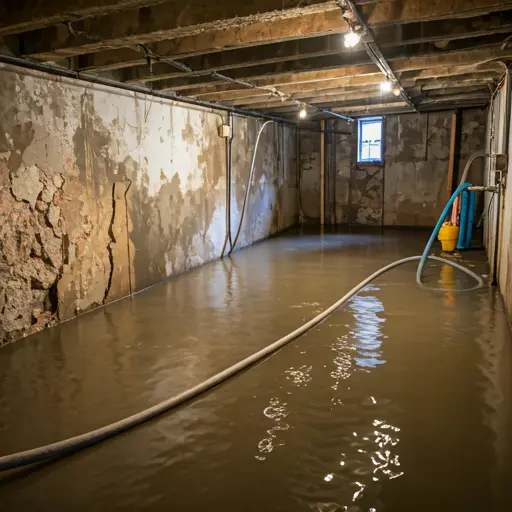
Local pages, written for local building stock.
A finished basement in the city and a walkout lower level in the county dry differently, so each location page starts from the homes actually built there.
Call (636) 219-9302What a Location Page Actually Tells You
Each location page answers the local version of the same set of questions: what water and mold problems tend to show up in this community's housing, how an assessment would approach them, and what documentation the owner receives along the way. The housing detail is not decoration. The age of a home, whether its basement was finished when built or decades later, and which materials sit below grade all change how water spreads, what can be dried in place, and what a realistic scope looks like. Reading your community's page before you call means the first conversation can start from your type of property instead of from generalities.
Location pages and service-area pages look related because they are, but they do different jobs. A location page is the community view: one place, with the full picture of the restoration services available there. A service-area page is the service view: one task, such as water damage restoration in Belleville or mold remediation in Alton, described in depth for that city. If you are still working out what problem you have, the location page is the better starting point. If you already know the task, the service-area page gives the deeper account of how that specific job is assessed, documented, and carried out.
From Picking a Location to a Written Scope
Whichever page brings you to the phone, the next steps follow the same discipline. The conversation covers the source of the problem, when it started, and which rooms are affected. The inspection that follows uses moisture detection to map how far water has moved through floors, walls, and framing — including into cavities where nothing looks wet from the surface — and photographs the conditions found. That record is the ground every later decision stands on: what gets extracted, what can be dried, and what has to come out. Water work is planned consistent with ANSI/IICRC S500 principles, and mold work consistent with ANSI/IICRC S520 principles.
The homeowner then chooses from a written scope rather than from a verbal estimate: the document states what will be extracted, removed, dried, or remediated, and how completion will be verified against moisture readings. The price attached to that stated scope is a fixed price, agreed before work begins. For a mold scope, the work centers on removing affected source material and correcting the moisture condition that fed the growth. For a water scope, it centers on extraction and monitored structural drying, with equipment adjusted as readings change until documented drying goals are met.
Property managers and commercial owners use these pages differently, and that is fine: for them the location lists are a coverage check, confirming a community is served before Eversafe is added to a vendor list or an emergency contact sheet. Homeowners, managers, and insurers all end up relying on the same thing once work starts — a complete file of cause-of-loss notes, moisture records, and before, during, and after photographs, built while the job runs. Pick your community above, read what applies to your property, and when you are ready: Get a Free Inspection – Call 636-219-9302.
One practical note about distance: a community's ring affects planning, not quality. A job in Metro East Illinois gets the same moisture documentation, the same monitored drying, and the same written scope as a job ten minutes from the office — the difference is that travel is built into the schedule up front, so monitoring visits are grouped and timed realistically instead of squeezed between closer calls. That honesty about logistics is part of the service. A restoration job fails on follow-through more often than on the first day's work, and follow-through is exactly what the ring system is designed to protect across the whole footprint.
Need Restoration Help in Your Area?
Contact us to discuss water damage, mold, or related cleanup at your property. Assessment and work are subject to the agreed written scope.